Phone number that follows them down the page
A tap-to-call button stays visible while they scroll. For an emergency job, removing one step between reading and ringing is worth more than any design flourish.

Plumbers, heating engineers and boiler specialists
When someone's boiler fails on a Sunday, they search, they scan, and they ring the first plumber who looks reliable and shows a number. Your website has about ten seconds to be that plumber.

Ready for the 2am call
When a boiler goes, they scan for a number and proof you are legitimate. Both sit at the top.
What you actually get, and why it matters.
A tap-to-call button stays visible while they scroll. For an emergency job, removing one step between reading and ringing is worth more than any design flourish.
Registration numbers, insurance and qualifications sit where people look for them, because for a stranger coming into someone's home this is the deciding factor.
Optimised images and server-rendered pages, so the site opens quickly on 4G in a van or a cold hallway, not just on office broadband.
Urgent callouts and planned bathroom work are different customers with different questions. The site answers both without making either wade through the other.
Live sites doing exactly this, in use today.

Used car dealership
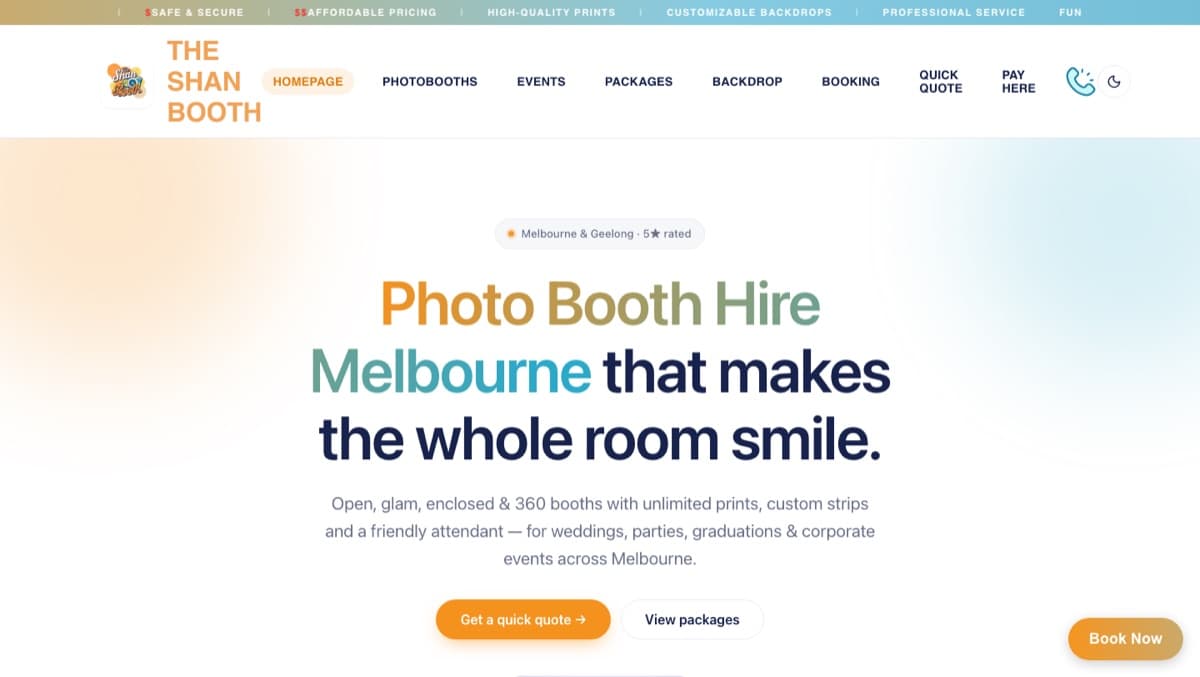
Event hire, weddings and events
Referrals still get checked. Someone recommended to you will search your name before ringing, and finding nothing makes them hesitate. A website does not replace word of mouth, it stops it leaking.
Usually a callout rate or a starting price, rather than a full price list. It filters out the people who were never going to book, and saves you the calls that go nowhere.
Yes, if that suits how you work. Some plumbers want enquiries only so they can judge urgency themselves. Others want a calendar for planned work. Both are straightforward to build.
Tell me what you need and I'll send a fixed quote, usually within one working day.